ISAAC HANS' CHOICE FOR ANSELM'S 2026 SUMMER ARTIST GROWS OUT OF THE CLARITY HE DISCOVERED IN UNLOCKING HIS OWN ARTISTRY
By Isaac Hans
We are called to be subcreators. The act of creating is holy work—a form of worship. Yet the blank page or empty canvas can feel almost confrontational in front of us. Many of us carry the assumption that creativity must arrive fully formed, that inspiration comes with an intact vision of a masterpiece. Anyone who has spent years making art knows this is rarely true, even if we continue to romanticize the idea. More often, creativity resembles discipline more than inspiration. It is repetitive, patient, sometimes even monotonous. It’s a lot more like working out. You don’t get inspired to go to the gym, get in one good workout, then go home being able to see your perfectly defined abs. Making art rarely works that way either.
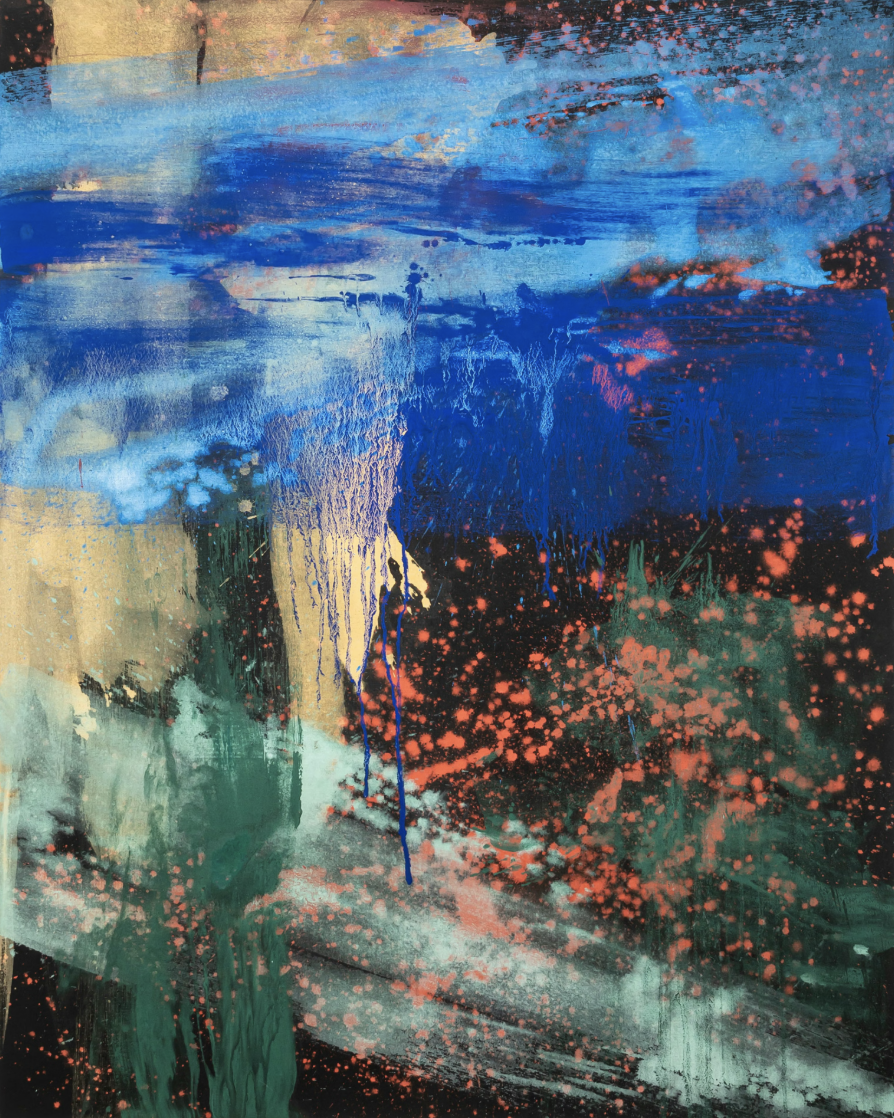
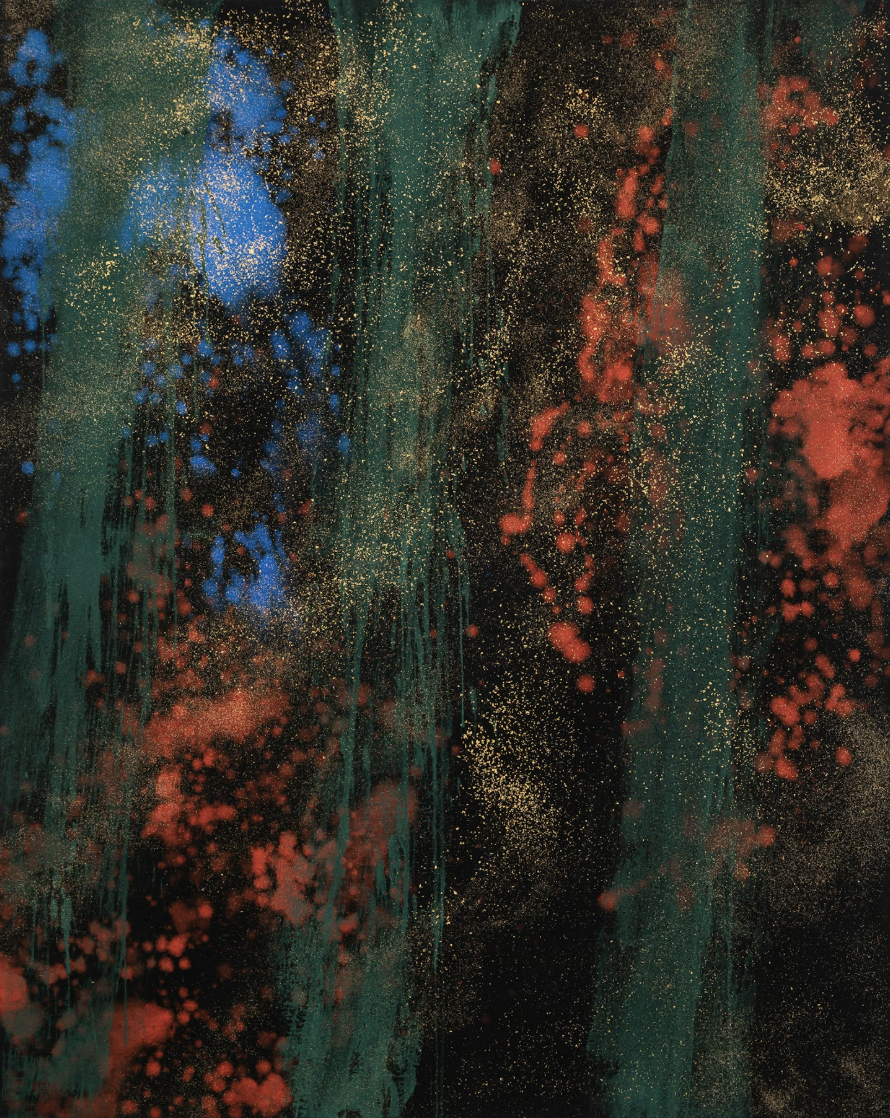
Charis-Kairos (The Tears of Christ)
Mineral Pigments, Gold on Belgium Linen, 80×64″
Copyright © 2010 Makoto Fujimura.
In my undergraduate photography program, I became very good at taking the assignment of the week and making it my own. I knew how to play the game of art school well enough to make decent images and earn good grades. But after graduation, the structure disappeared. Suddenly the assignment became: Make whatever you want. I hit a plateau for years.
It was not until graduate school that one of my advisors finally named the problem. He pointed out that I only picked up the camera when I already had a fully formed idea in mind. Then he said something I have never forgotten:
“Of course you aren’t making anything good. You’re a photographer. You think with your camera. How are you supposed to think if you never take it out of the bag?”
It was maybe the single greatest piece of advice I’ve ever received.
This new awareness not only unlocked my creative ability—it also helped me understand the process of connecting with the Holy Spirit more. My creative process and my spiritual life became intertwined, each giving life to the other. By giving myself over to the creative process, I gave myself over to the guidance of the Spirit.
It took time to unlearn my old habits, but slowly I began letting go of the belief that every act of creation needed a fully justified reason behind it. And almost immediately, the work became better. Sometimes you simply need to take the photograph, make the mark on the canvas, write the sentence. Meaning often arrives later. Editing comes later. Understanding comes later.
While I am proud of the finished projects I have made, I have become even more grateful for the process that produced them. Much of the work was bad. Some of it was very bad. But hidden among it were moments of discovery—small glimpses of something true, and occasionally, something great. Masterpieces are not made every day, and they are almost never made in an afternoon.
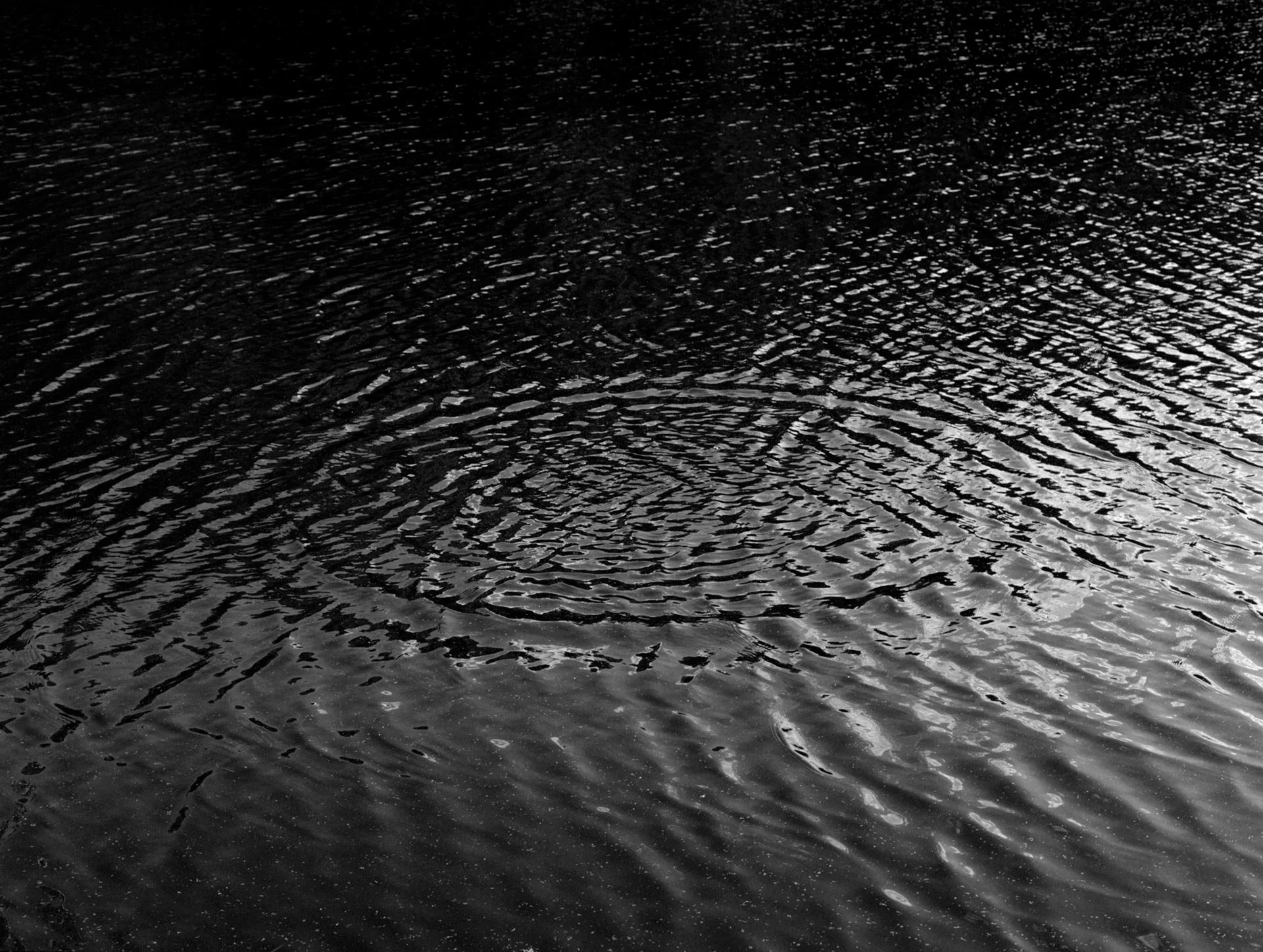
For me, the process often begins with walking. I carry my camera and pay attention. Something catches my eye—a particular light falling across a driveway, a stand of trees, a gesture from a friend—and I photograph it before fully understanding why. Only later, once the negatives are developed, do I begin to understand what drew me there in the first place.
What many artists eventually discover is that creativity is less about immediate brilliance and more about sustained attention. It requires time. Presence. Patience enough to remain with something before it reveals itself.
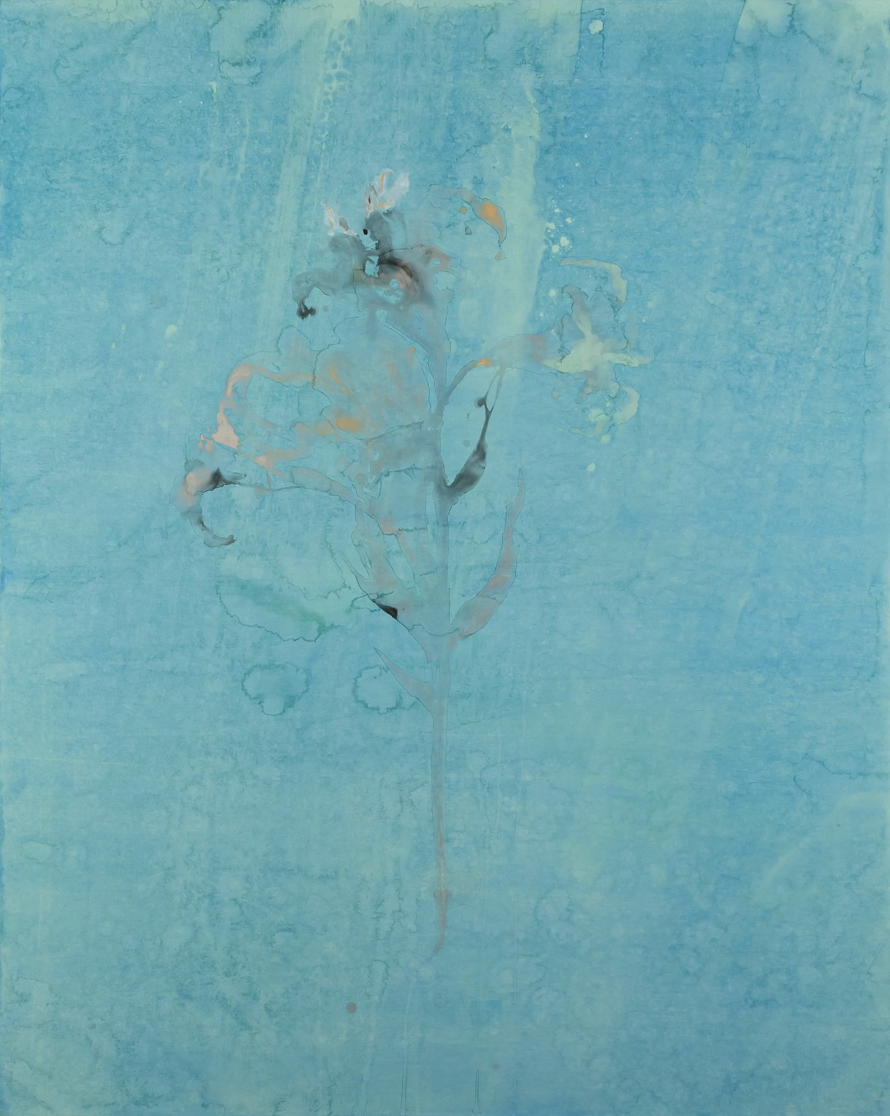
Matthew—Consider the Lilies
Mineral Pigments, Gold, Platinum and Sumi on Kumohada, 48×60″, Copyright © 2011 Makoto Fujimura
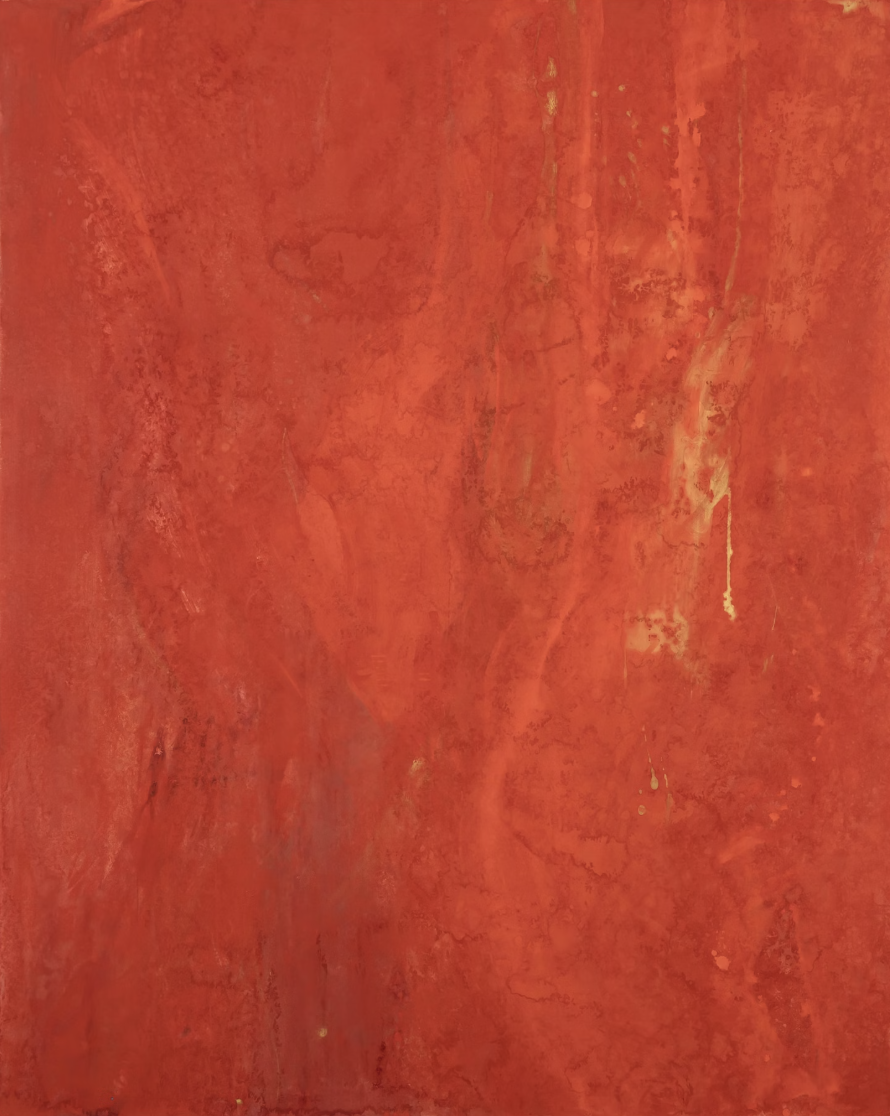
Mark—Water Flames
Mineral Pigments, Gold, Cochineal on Kumohada, 48×60″, Copyright © 2011 Makoto Fujimura
This is why I find myself continually returning to the work of Makoto Fujimura, who writes beautifully about what he calls “Slow Art.” His paintings lose something when viewed only online because they are built through accumulation—layers upon layers of ground minerals, shells, metals, and natural pigments applied through the Nihonga process. Some works, like those from his “Four Holy Gospels” series, contain dozens of layers of paint, built patiently over long stretches of time. The work refuses immediacy. It asks both the artist and the viewer to slow down.
There is something deeply sacred in that kind of patience.
The creative process itself can become a means of sanctification. It requires patience, discipline, humility, and honesty. To be truly creative, we must become more like Christ. This is why we are called to be subcreators—not only to produce work that glorifies the Lord, but to also become holier in the act of making.
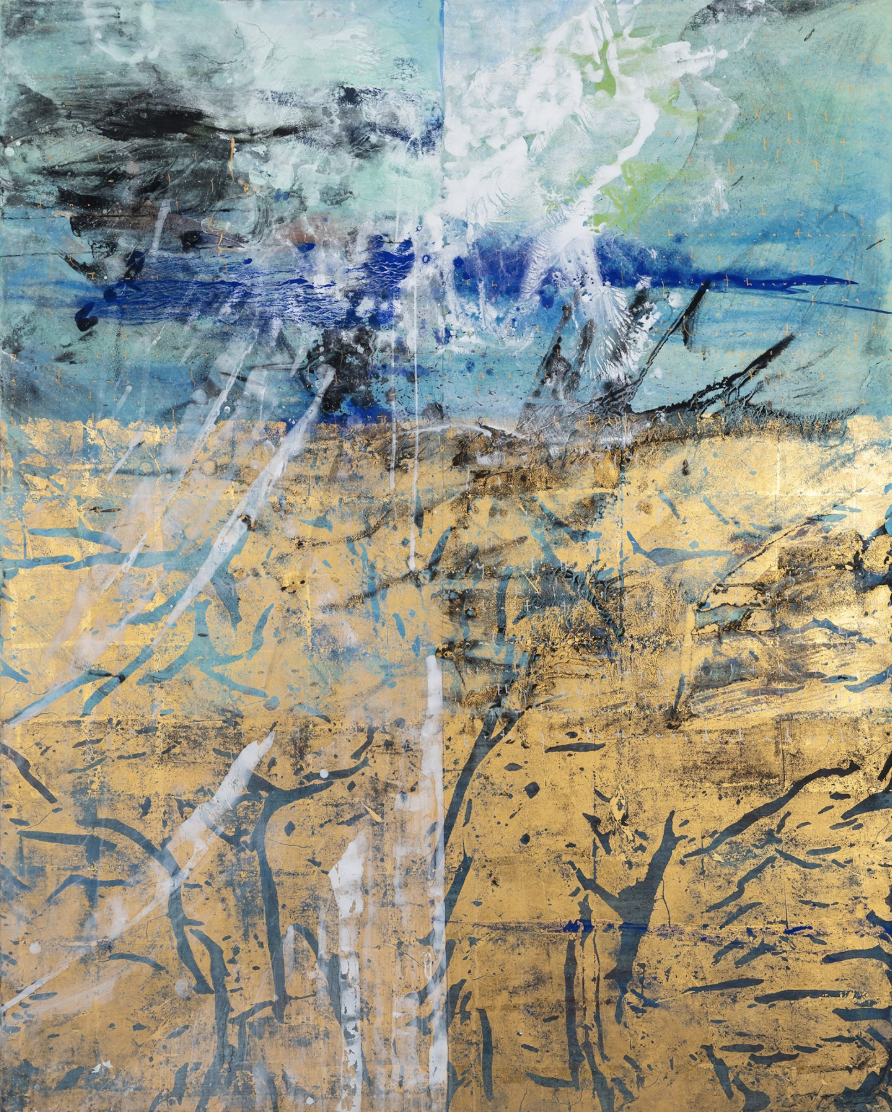
Luke—Prodigal God
Mineral Pigments, Gold, Platinum on Kumohada, 48×60″,
Copyright ©2011 Makoto Fujimura
John—In the Beginning
Mineral Pigments, Gold on Belgium Linen, 48×60″,
Copyright © 2011 Makoto Fujimura
Interested in more work like this? Check out:
Art + Faith by Makoto Fujimura, an exploration of how beauty, creativity, and the Christian life intersect, offering a compelling vision of art as both cultural engagement and spiritual formation.
On Kawara’s ‘Today’ series documents nothing more than the date of their creation, transforming the ordinary passage of time into a quiet meditation on presence, mortality, and what it means simply to exist in the world.
Sentimental Value (2025), a movie on art, memory, and family, showing how meaning often emerges slowly as we learn to make sense of the stories we've inherited. (Currently available on Hulu)
Makoto Fujimura
Makoto Fujimura is a leading contemporary artist whose process-driven, refractive “slow art” has been described by David Brooks of The Atlantic as “a small rebellion against the quickening of time.” Fujimura’s work has received critical recognition for over three decades. His art displays an “imminent abstraction,” placing itself “on the cusp of the real . . . where the mundane and intimate can be dreamed of and the metaphysical can approach the tangible” (Peter Frank, art critic and curator, 2020). Fujimura’s works are regularly exhibited in museums around the world.
Isaac Hans is a visual artist and photographer based out of Colorado Springs. Influenced by the history of American road trip photography, his work focuses around ideas of longing, spirituality, and the mundane.