Recipes and Recommendations for Imbibing Beauty through Books and Beverages
By Annie Nardone
THE PAGES: Phantastes by George MacDonald
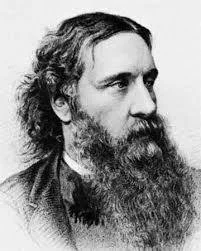
—George MacDonald
“Now I go about everywhere through Fairy Land, singing till my heart is like to break . . . for every joy at my own songs. And wherever I go, my songs do good, and deliver people. And now I have delivered you, and I am so happy.”
—George MacDonald, Phantastes
When was the last time a story swept you into another magical world? In the preface to his anthology George MacDonald, C. S. Lewis wrote that “what he [MacDonald] does best is fantasy—fantasy that hovers between the allegorical and the mythopoeic. And this, in my opinion, he does better than any man.”
I have read Phantastes several times, immersing my imagination in enchanted forests and medieval magic. There is ethereal holiness and profound truth woven into this tale told by Anodos in a first-person account of his journey through a mythical land. MacDonald’s imaginative prose is influenced by writers such as Malory, Spenser, and Keats, which makes Phantastes a bit of a daunting read; it is so daunting that many bibliophiles will poke at the tale, then set it aside. I argue that this book is essential in appreciating the true beauty of genuine fairy stories!
MacDonald published Phantastes in 1858. He called it “a sort of fairy tale for grown people.” Maybe he wanted to inform the reader that the themes in the story were slightly beyond the experience of a child. No doubt, any child who could read at that time would enjoy the parallels to Arthurian legend, living trees, fairies, and goblins. However, there are also deeper meanings of mature love and sexuality veiled in symbolism.
Similar to Boethius’ Consolation of Philosophy and Tolkien’s Lord of the Rings, MacDonald integrates poetry into the prose with poetic odes. His ethereal, even haunting poetry, especially in the context of this fairy tale, takes on a dreamy, hymn-like tone. These passages are effective in storytelling because the love of rhythm and rhyme are built into our souls.
The Edenic charm of the archaic, Romantic-era writing carries your imagination away from modernity. The reader is suspended in a spell-like feeling, removed from reality into wonder and mythos. MacDonald invites us to feel at home in a dream. Comparing fantasy to enjoying music, he writes in an essay that the best way “is not to bring the forces of our intellect to bear upon it, but to be still and let it work on that part of us for whose sake it exists. We spoil countless precious things by intellectual greed.”[1]
Maybe that’s one reason so many have a hard time reading Phantastes. We have grown old and too sensible to be heckled by goblins, too jaded to see vines growing in our room, or unable to imagine that the trees come to life and touch us. So we have forgotten how to experience the gift of everyday reverence for the unexplained. The essence of Sehnsucht lingers like a fragrance in the narrative of this story in the characters’ sublime longing for the yet unattainable. Winged maidens and angelic men meet, then leave to die alone in their desires to be born again as babies on earth.
In Anodos’s fairy world, a noble death is not to be feared. There is so much theological wisdom that we moderns miss! What if we, when confronted with death, embraced the sorrow and joy, knowing that life continues? Christianity acknowledges that, but many of the faithful have pushed away the idea of a good death and better afterlife. Phantastes was written during an age when death was a stage of life leading to eternity. The story concludes with themes of rebirth gaining wisdom, humility, kindness, honor, and a deep sense of what is good, right, and true—all chivalric traits of an ideal man.
Because MacDonald writes in an archaic Victorian fashion including detailed symbolism important to that era, I do recommend the annotated version of Phantastes published by Winged Lion Press. This edition includes important notes on the author, copious annotations, and extensive appendices for further study.
“Yet I know that good is coming to me—that good is always coming; though few have at all times the simplicity and the courage to believe it.”
—George MacDonald, Phantastes
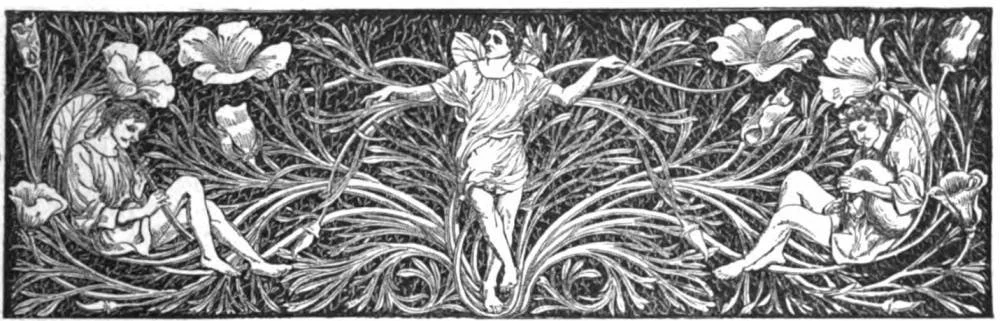
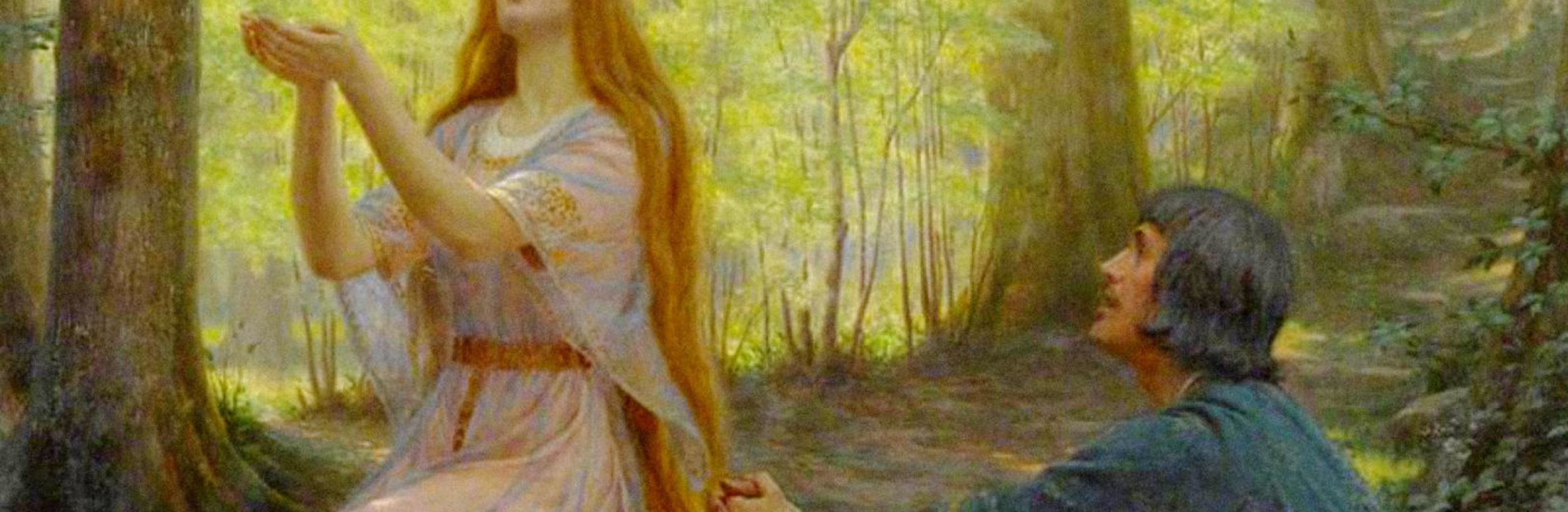
Artist: Selwyn Image (1849–1930)
PINTS AND POURS
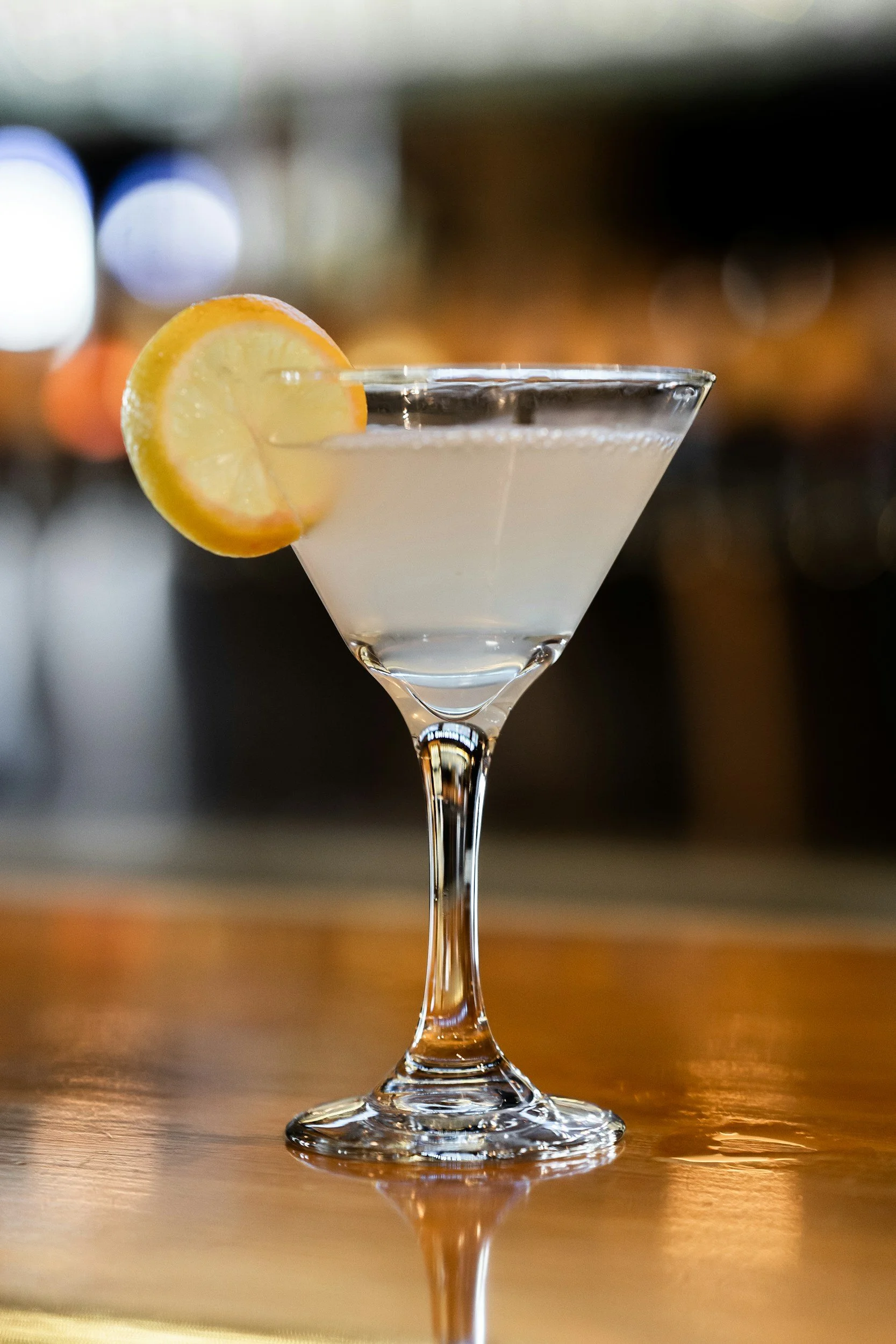
In keeping with the fairy tale theme, I return to absinthe, the “Green Fairy” aperitif we used in the March Pages, Pints, and Pours. This century-old cocktail is elevated by peaty, smoky Highland Scotch. The mocktail is named for the moss-enrobed Scottish fairy, the Ghillie Dhu who protects lost travelers. She is fiercely protective of her Scottish Highlands home.

Scottish Blackthorn
1 ½ oz. Scotch whisky (preferably a peat-forward Highland like Grangestone 12)
1 ½ oz. Dry vermouth
2 dashes Absinthe
2 dashes bitters of choice
Twist of lemon peel
Pre-chill a coupe glass and peel a twist of lemon zest. Pour ingredients into a cocktail shaker, add ice, shake, and strain into the chilled glass. Twist the lemon peel over the drink, then add to rim.

THE GHILLIE DHU
6.8 oz. bottle elderflower tonic water
Several fresh berries (raspberry, blueberry, blackberry)
2 dashes dandelion bitters
Place a few berries in the bottom of a tall glass, then fill with ice cubes. Add bitters to ice, then pour elderflower tonic over ice to fill the glass. Garnish with a cocktail pick of berries and/or edible flowers.
Annie Nardone is a lifelong bibliophile with a special devotion to the Inklings and medieval authors. She is a Fellow with the C.S. Lewis Institute and holds an M.A. in Cultural Apologetics from Houston Christian University. Annie is a writer for Cultivating Oaks Press and An Unexpected Journal. Her writing can also be found at Square Halo Press, Rabbit Room Press, Clarendon Press U.K., Calla Press, and Poetica. Annie is a Master Teacher with HSLDA and Kepler Education and strives to help her students see holiness in everyday life and art. She lives in Florida with her husband and six cats, appreciates the perfect cup of tea, an expansive library, and the beach with family.
1 George MacDonald, “The Fantastic Imagination,” in the essay collection, A Dish of Orts, accessed online at https://www.gutenberg.org/files/9393/9393-h/9393-h.htm.