Recipes and Recommendations for Imbibing Beauty through Books and Beverages
By Annie Nardone
THE PAGES: The Complete Fairy Tales & Stories by Hans Christian Andersen
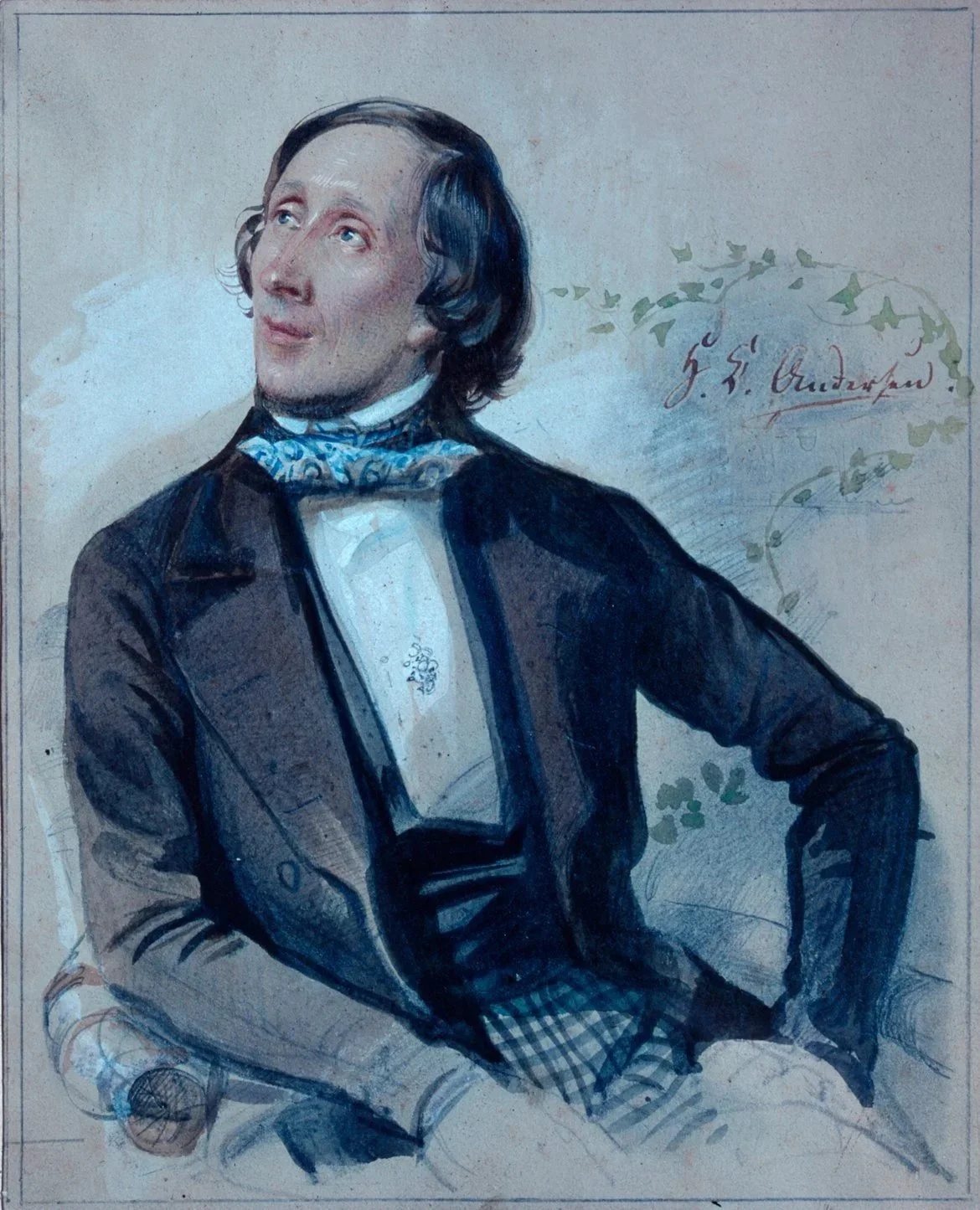
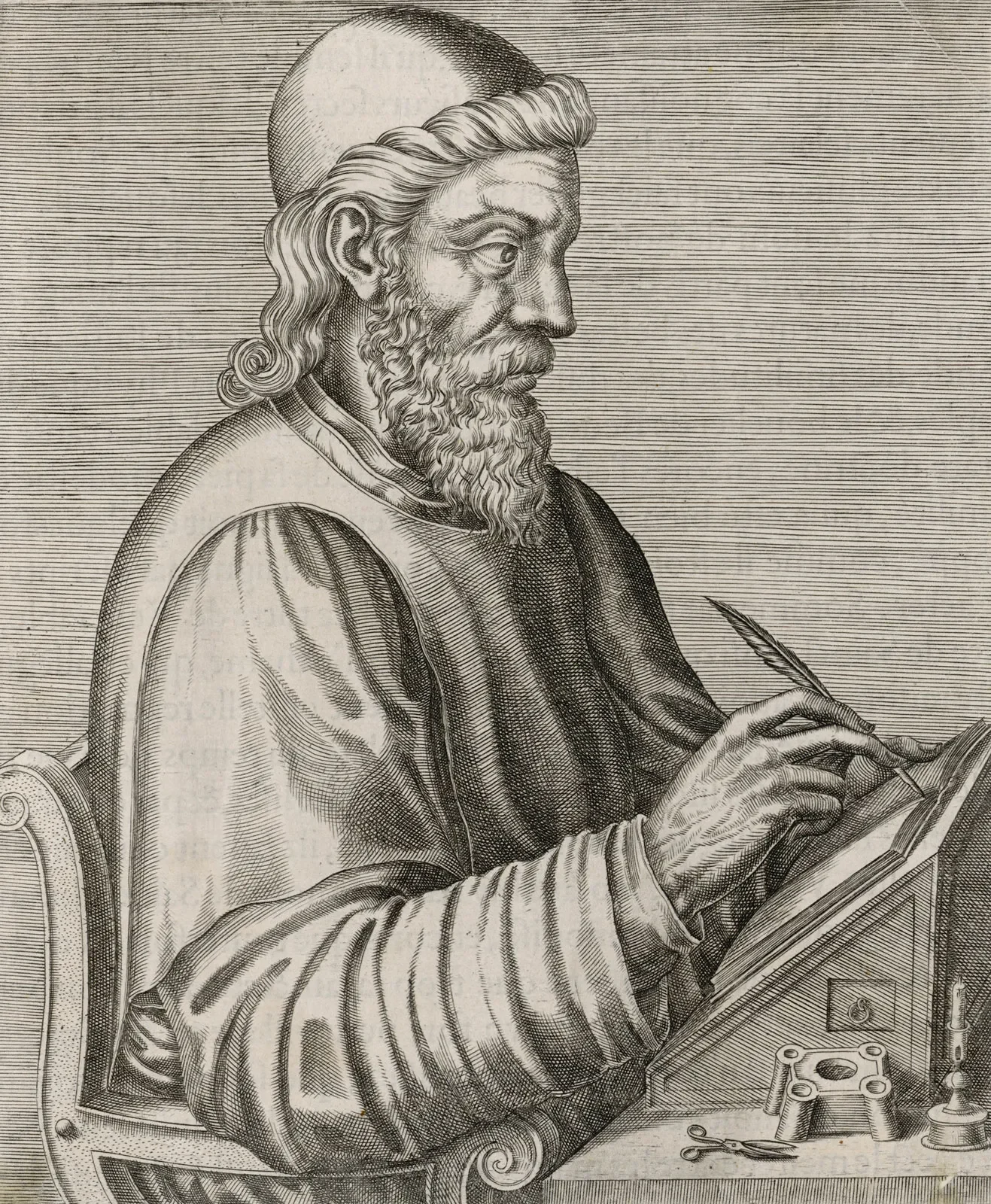
—Hans Christian Andersen Watercolour by Carl Hartmann
"My gift to the world."
—Hans Christian Andersen, The Complete Fairy Tales & Stories
Once upon a time long, long ago, winsome tales were written by a Danish storyteller who walked with fairy godmothers, talking trees, kings, and ordinary village folk. His name was Hans Christian Andersen and he wrote stories woven with wonder and illuminated by Christian themes. His stories could be silly, like his The Princess and the Pea, or solemn as The Little Matchstick Girl, but all of his tales were embedded with timeless wisdom for young and old.
Stories written in the 1800s were quite different than modern literature; in fact, some will make you uncomfortable with their honesty about mortality, suffering, and sin. I recently found an old copy of Andersen’s Complete Fairy Tales and eagerly scanned the table of contents. I chose “In the Duckyard,” expecting a gentle tale about fluffy ducklings. What I received was the Flannery O’Connor version of a fairy tale with seven deadly sins cloaked in feathers. (Nineteenth-century children were clearly built of stronger stock.) Then the brilliance and wisdom of that dark tale caught me. Andersen’s barnyard characters embody the shortcomings common to mankind. In fact, most of his stories are a fanciful and at times satirical commentary on the human condition, written for adults to share with children. We learn that not every story ends with “happily ever after” and neither does real life.
Have we watered down reality for children to protect them from darkness? Disney’s modern “The Little Mermaid” follows the common trope of true love, testing, and the happy couple sailing away into the sunset together. Andersen’s original mermaid story is deeply theological, engaging with themes of death and heaven. The little mermaid loved the prince, but yearned more for an immortal soul only given to humans. These are cautionary tales which often ended with Christian messages of consequence, redemption, and gratefulness.
Andersen embraced the ancient fairy tale form and made them his own stories. His translator wrote that “It was of great concern to him that his tales should be able to be read aloud as if they were being told.” The lyrical prose is perfected when voiced with a bit of drama. The fairy or folk tale feels like a real world, no matter how exotic and strange. The characters were common to our daily experience (aside for the talking animals). They were good and generous, kind and cruel, ignorant and arrogant. Andersen reveals us to ourselves—the difference between what we wish was real and what truly is real in our lives.
If you are looking for the ideal copy to read, I recommend Hans Christian Andersen: The Complete Fairy Tales and Stories, published by Doubleday, published in 1973. The translator, Danish author Erik Christian Haugaard is of key importance. Haugaard was meticulous in capturing Andersen’s colloquialisms and writing which provides the most authentic translation. Online booksellers have several copies available. This edition includes Andersen’s own extensive notes.
“The fairy tale speaks to all of us; that is its particular charm. The beggar and the prince pause in the market place to hear the storyteller; and for the moment they are merely men, subject to the passions that rule us all…It is a strange irony that our all-embracing modern forms of communication have killed the storyteller, and may end by making us all mute.”
—Erik Christian Haugaard, Danish translator of H.C. Andersen’s Complete Fairy Tales and Stories
PINTS AND POURS
Fairy tales find a proper pairing with a mythic liqueur. Absinthe, nicknamed the Green Fairy, is a bright green, herbal liqueur blended from fennel, anise, and wormwood. Absinthe was the favored apéritif of poets, artists, and storytellers of Anderson’s era. The Talisman mocktail is a mysteriously spiced, smoking potion.
ABSINTHE SPIDER

½ shot absinthe
2 dashes aromatic bitters
4 oz. ginger ale
Lime peel twist
Fill a 10 oz. glass with crushed ice. Add bitters to ice, then add absinthe and ginger ale. Stir and add lime peel garnish.
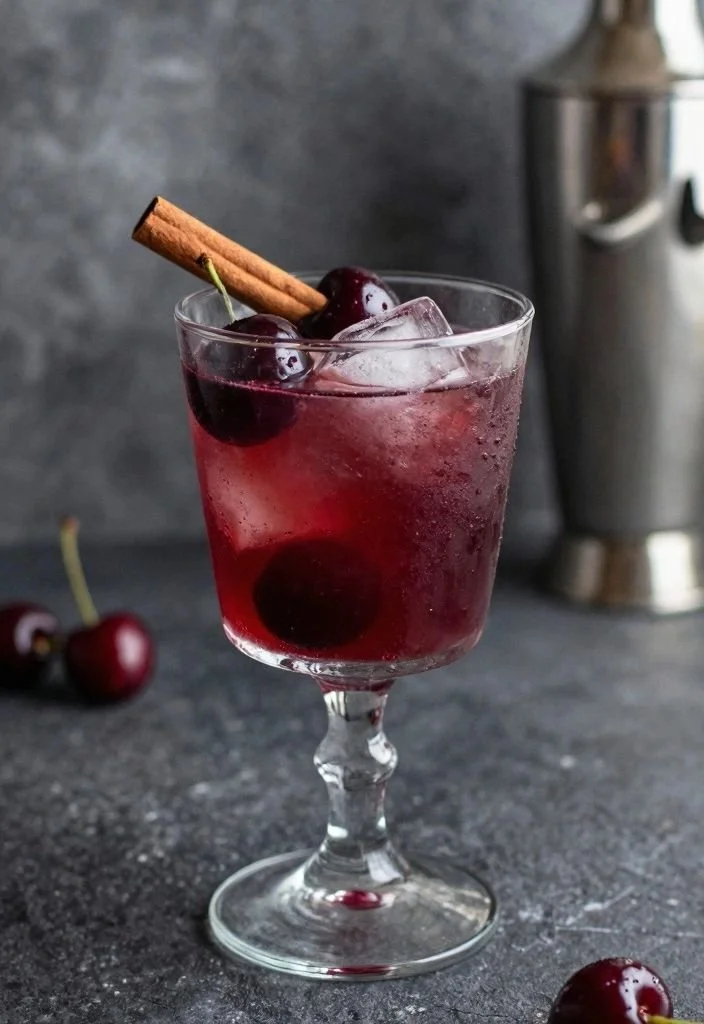
THE TALISMAN
½ cup water
½ cup sugar
2 whole star anise
1 inch square of ginger root, sliced
4 cups tart cherry juice
Cinnamon sticks for serving
Combine water and sugar in a small, heavy saucepan, then add anise and ginger. Stir and bring to boil, then reduce to simmer until sugar is melted. Let cool.
Strain cooled syrup into pitcher, add cherry juice, and stir. Add crushed ice to tall glasses. Pour juice over ice and garnish with a cinnamon stick. For a dark fairy tale touch, light the end of the stick until it smokes.
Annie Nardone is a lifelong bibliophile with a special devotion to the Inklings and medieval authors. She is a Fellow with the C.S. Lewis Institute and holds an M.A. in Cultural Apologetics from Houston Christian University. Annie is a writer for Cultivating Oaks Press and An Unexpected Journal. Her writing can also be found at Square Halo Press, Rabbit Room Press, Clarendon Press U.K., Calla Press, and Poetica. Annie is a Master Teacher with HSLDA and Kepler Education and strives to help her students see holiness in everyday life and art. She lives in Florida with her husband and six cats, appreciates the perfect cup of tea, an expansive library, and the beach with family.
[All quotes taken from Hans Christian Andersen, The Complete Fairy Tales & Stories, translated from the Danish by Erik Christian Haugaard]